

INNOVATION TERMINAL
Charting the Course for Maritime Innovation
Findings from the Innovation Terminal feasibility study and Michigan’s plan to grow the maritime economy.
About the Study
Port Detroit Innovation Terminal Feasibility Study
Port Detroit commissioned a feasibility study, led by Ramboll with HR&A Advisors, to test whether a Maritime Innovation Terminal on the Rouge River can accelerate Southeast Michigan’s maritime economy.
The study examined market demand, site and infrastructure needs, economic impact, and governance. It concludes that Metro Detroit has the conditions to support maritime innovation, and that a focused, partner-led first phase offers the strongest path forward.
Emission Reduction Strategies
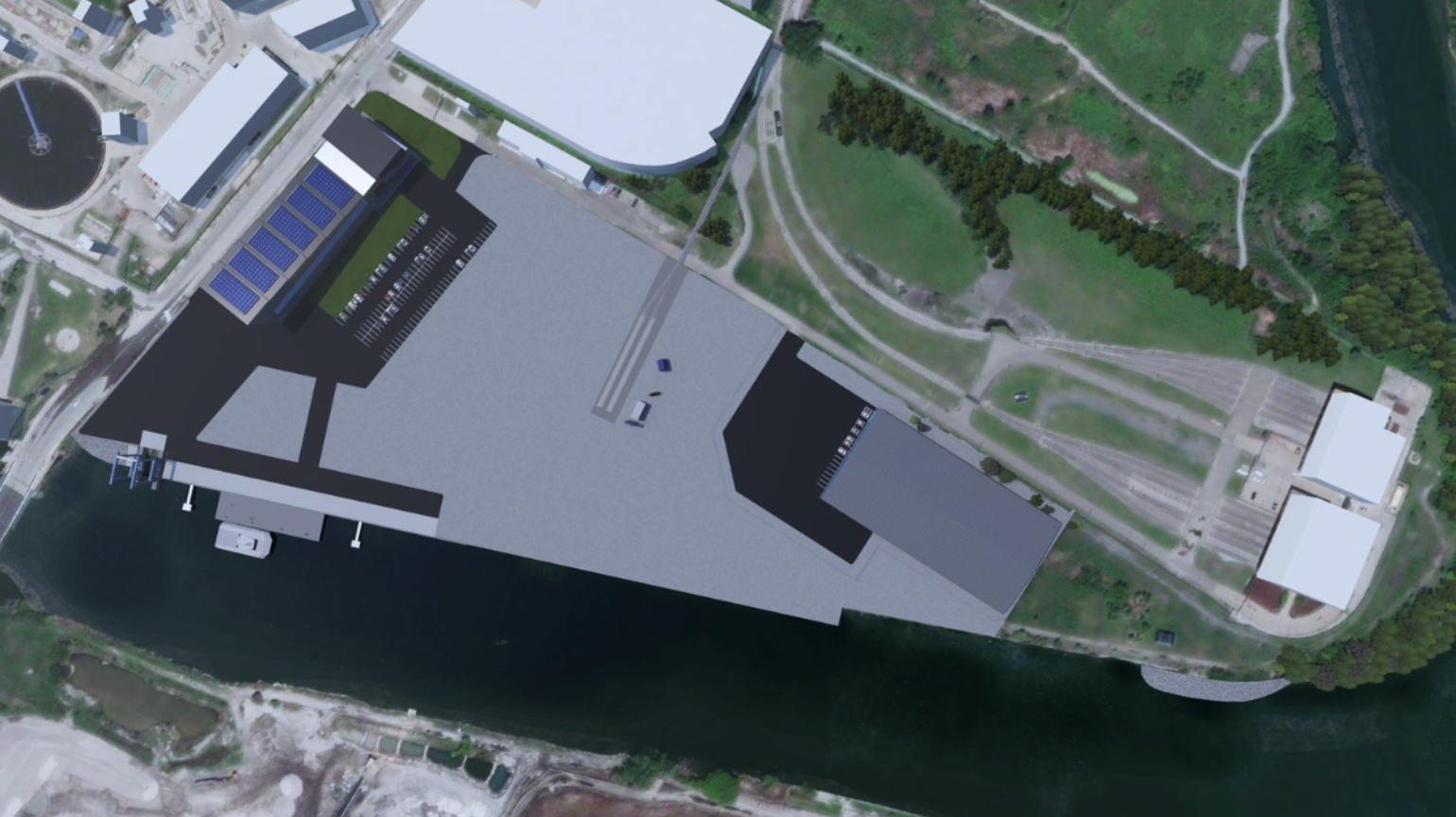
What the Terminal Includes
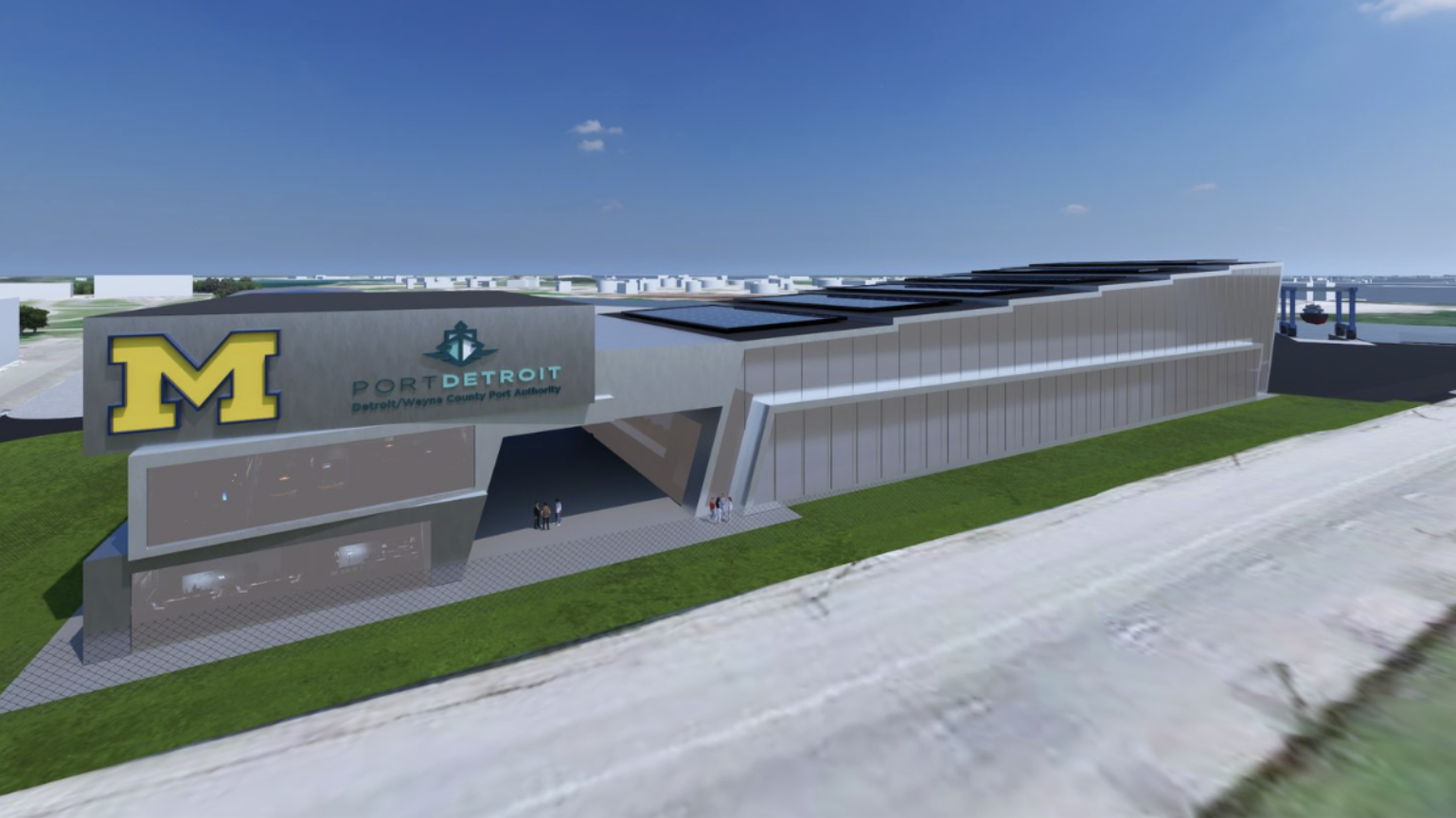
Phase 1 creates a flexible platform for testing and validating maritime technology on real water, without committing too early to a single vessel type, fuel, or operating model.
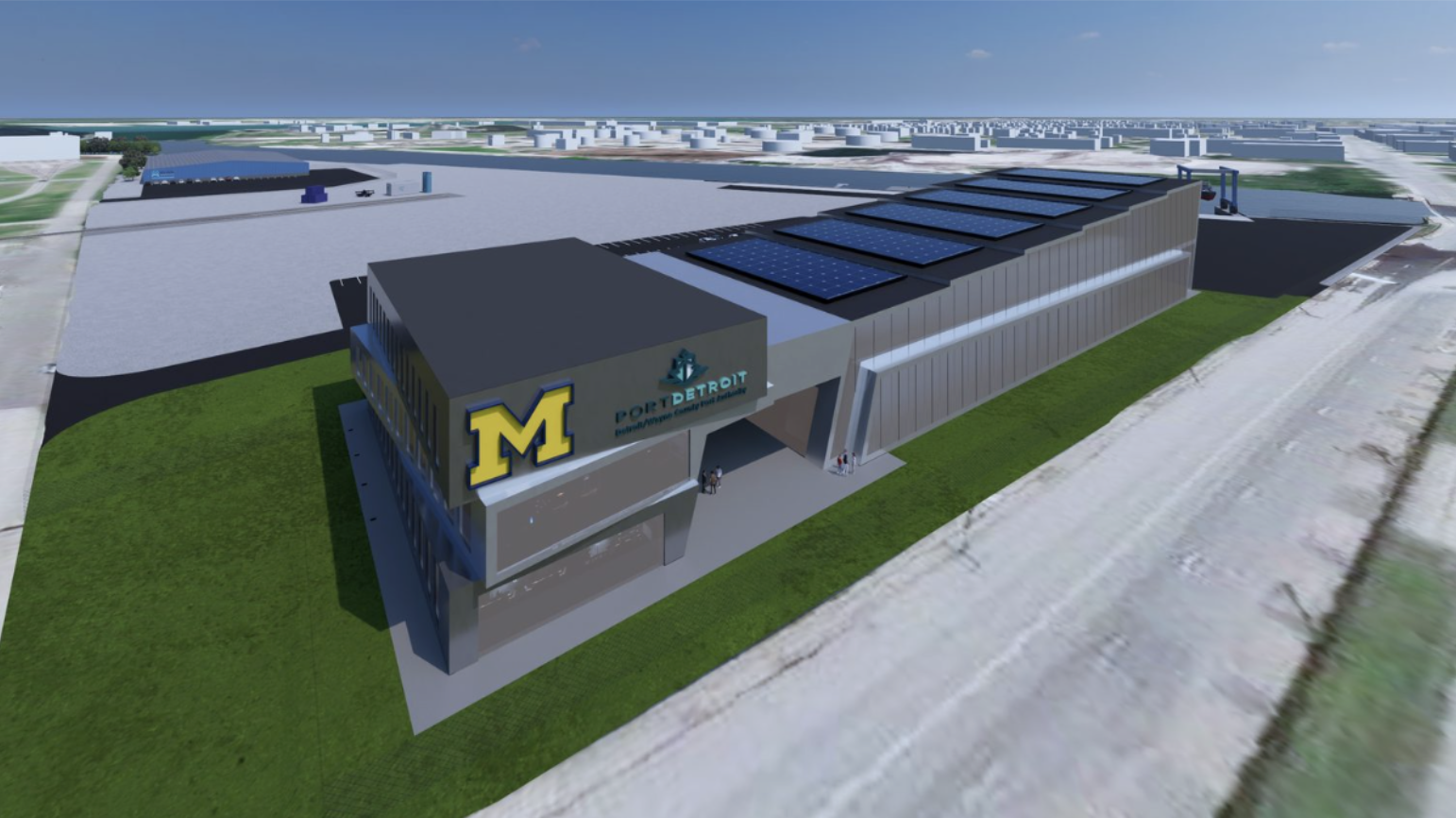
Lab Space
Testing, validation, and applied research Shared by startups, companies, and universities
Office Space
Leasable space for anchor companies Room for academic research partners

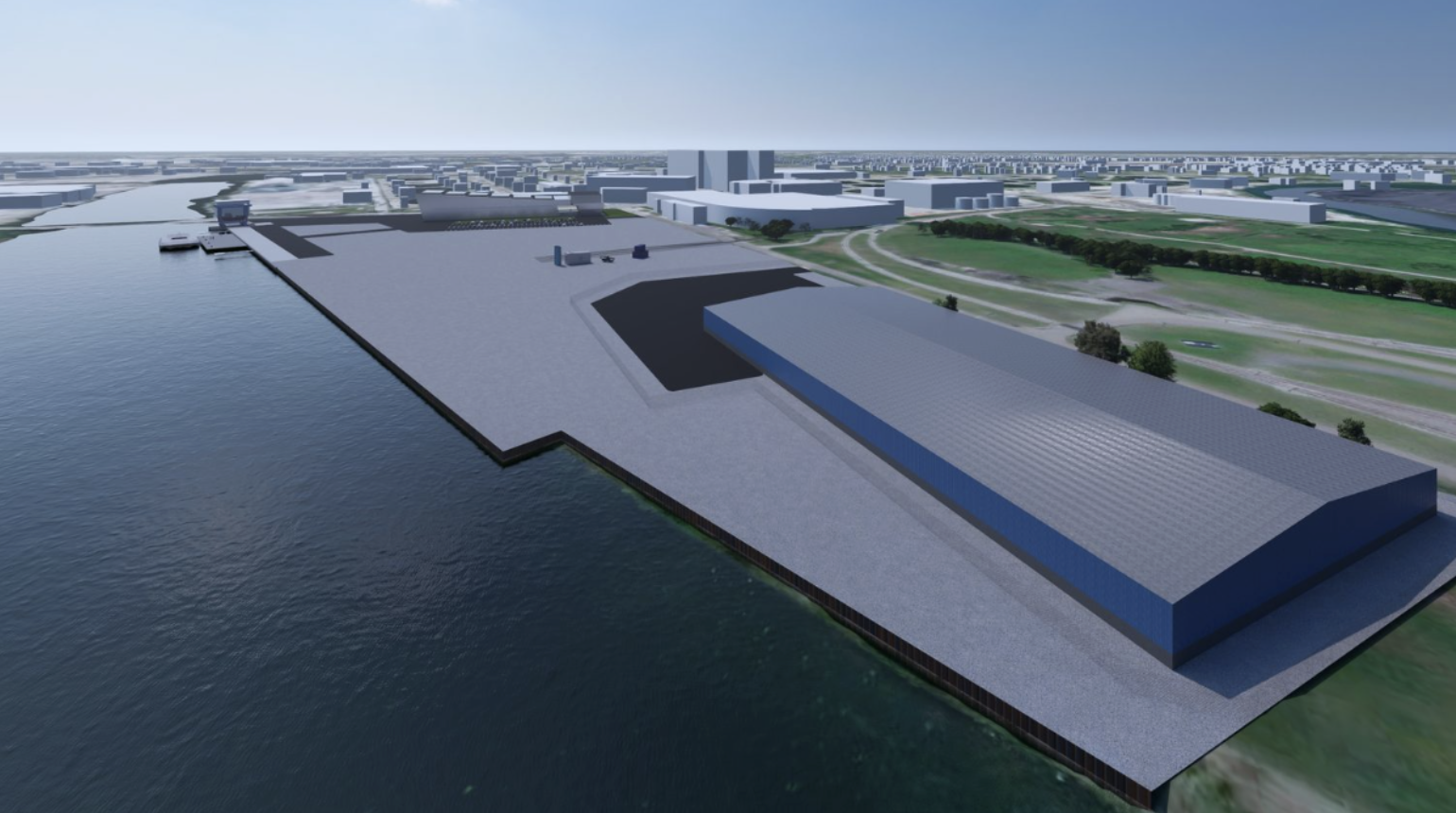
Warehouse
Pilot manufacturing and vessel retrofits Electrification and battery system work
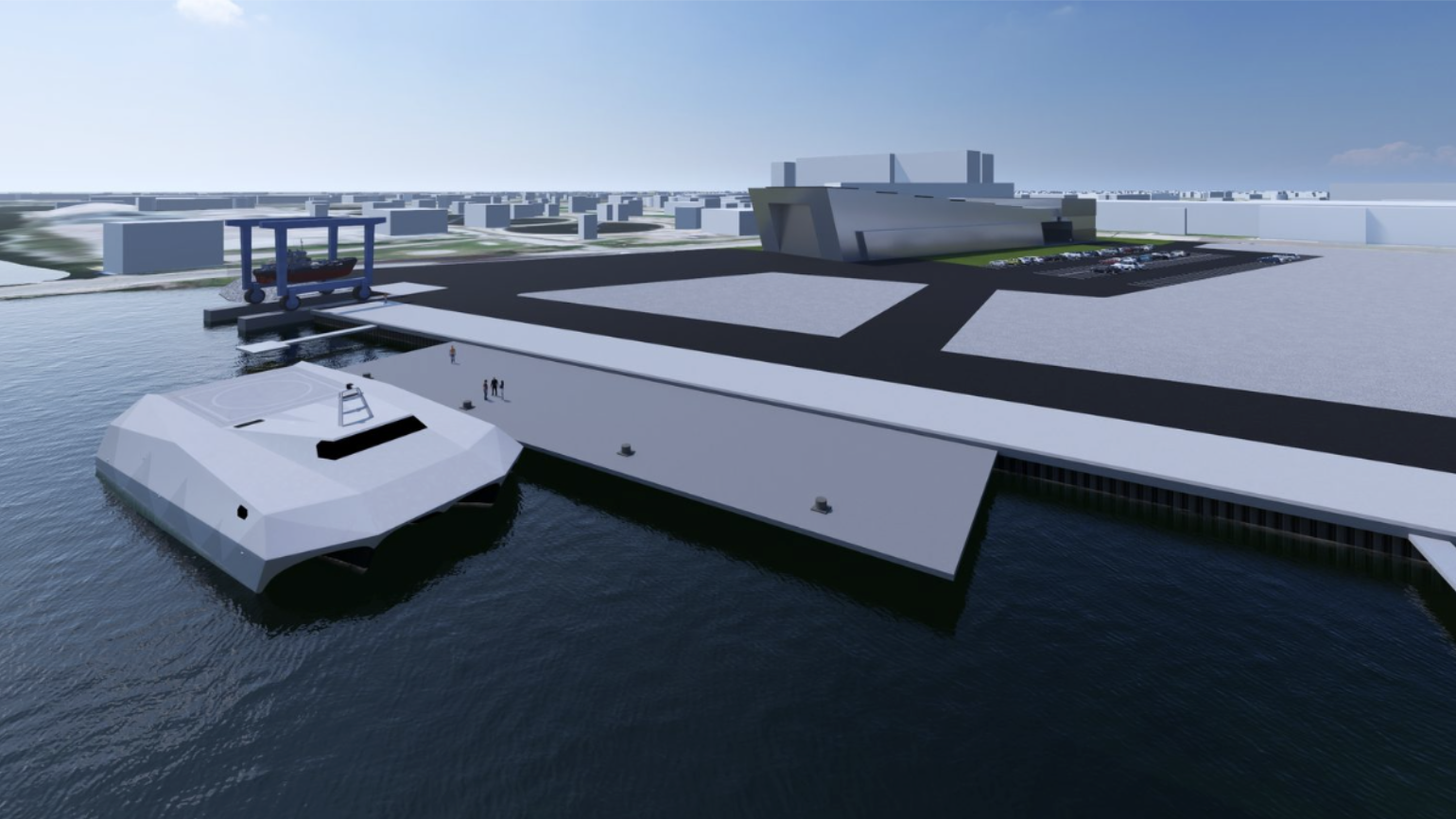
New Quay
Roughly 500 to 525 feet with a flexible apron Mobile lifting and smaller-vessel berths
Demonstration Vessel
Modular, instrumented testing platform Autonomy, integration, and data packages
Charging Readiness
Mobile charging and shore-side connections Space reserved for battery storage
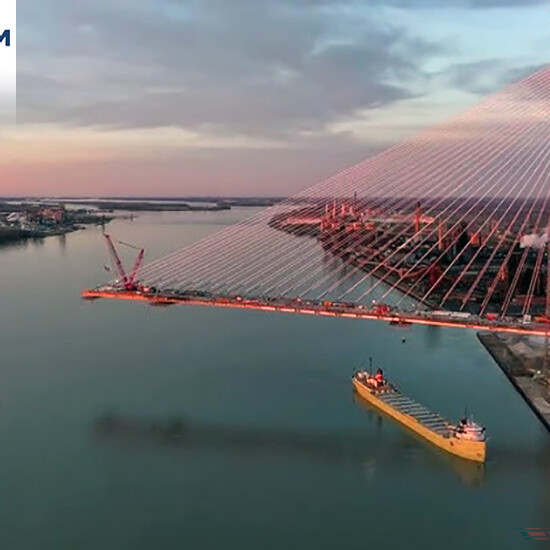
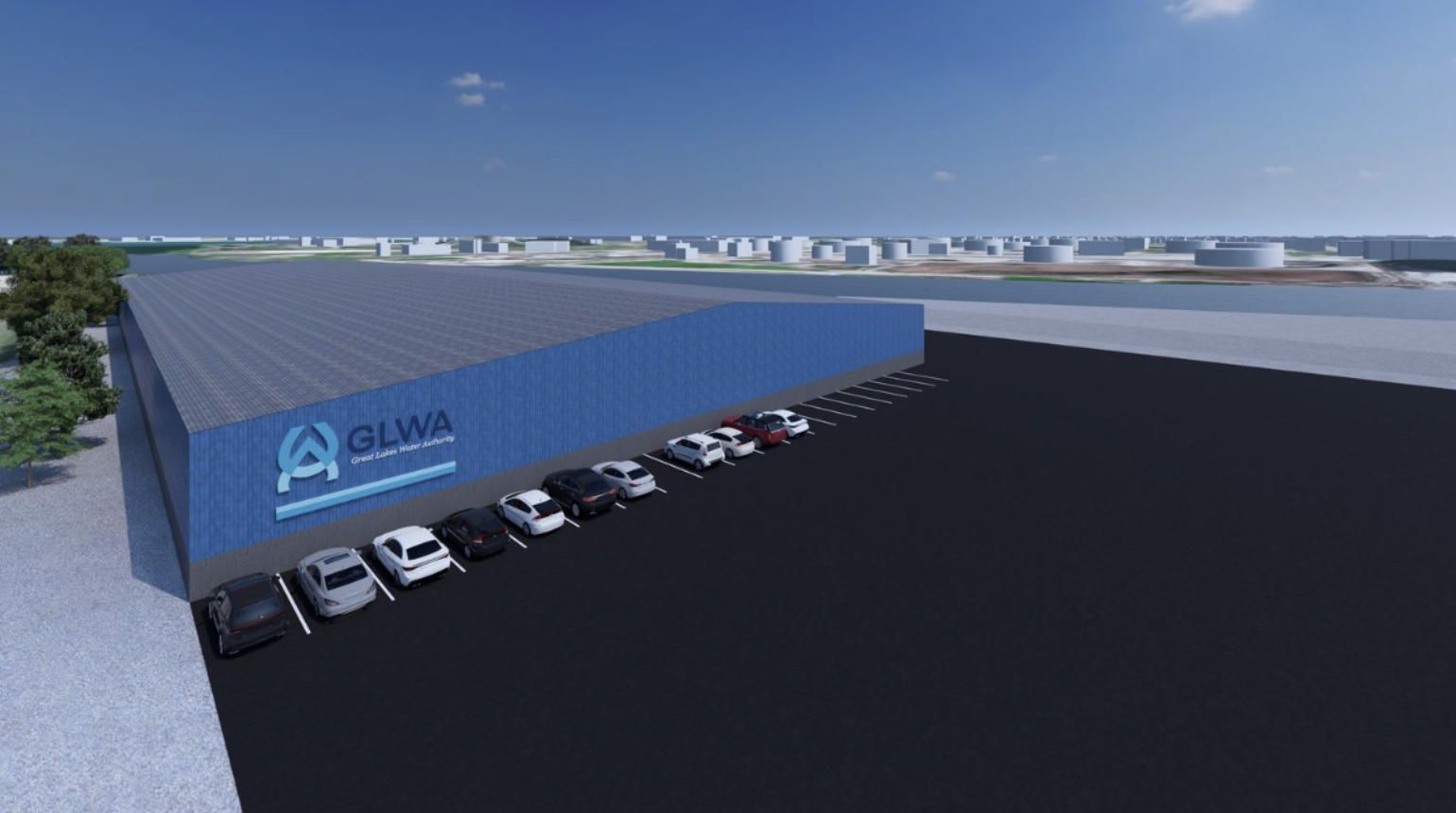
Concept Renderings
Partners in Innovation
The Port Authority and the Great Lakes Water Authority are working together on the Detroit River. GLWA treats wastewater for roughly 3.9 million people across southeast Michigan, and its Detroit facility produces biogas as a byproduct. That biogas is a recognized feedstock for green methanol, one of the marine fuels the Port identified in its Clean Ports planning work. The two authorities are now examining whether a regional supply could be produced here and delivered to vessels calling at the Port. GLWA is also among the organizations considering space at the Innovation Terminal site, which would place a potential fuel producer and a maritime testing facility on the same stretch of river.
What the Study Found
Start focused. Build with partners.
Grow on demand.
Interviews with shipbuilders, component manufacturers, and startups showed the strongest near-term demand in three segments. Alternative fuels and logistics remain secondary opportunities that specific partners can activate.
Certification-ready testing for strength, fatigue, and corrosion, paired with instrumented trials on the water.
Real sensor data to calibrate digital twins, predictive maintenance, and port optimization tools.
Collision avoidance, near-port maneuvering, and remote operations tested in real conditions.
Economic Impact
An Engine for Regional Growth
In its first full year, the Terminal supports 122 on-site jobs paying an average of $123,000 and generates $1.5 million a year in revenue to the State of Michigan.
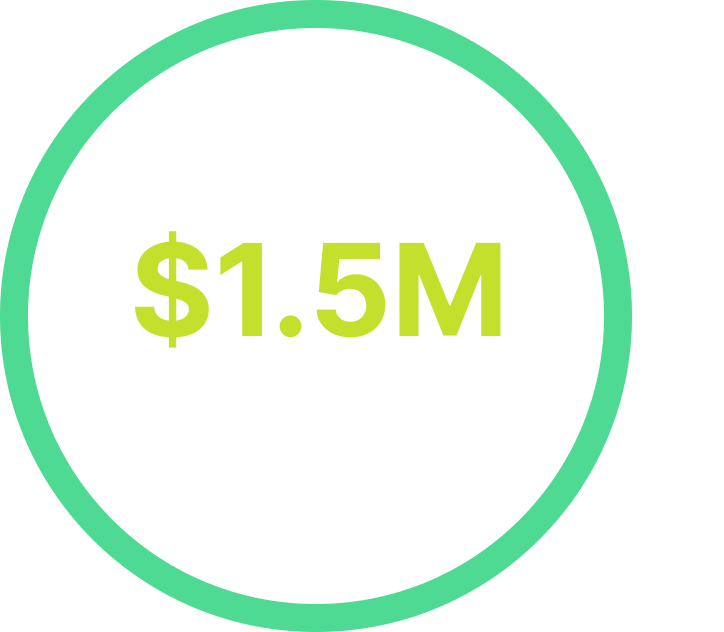
200,000+
regional jobs already support maritime industries.
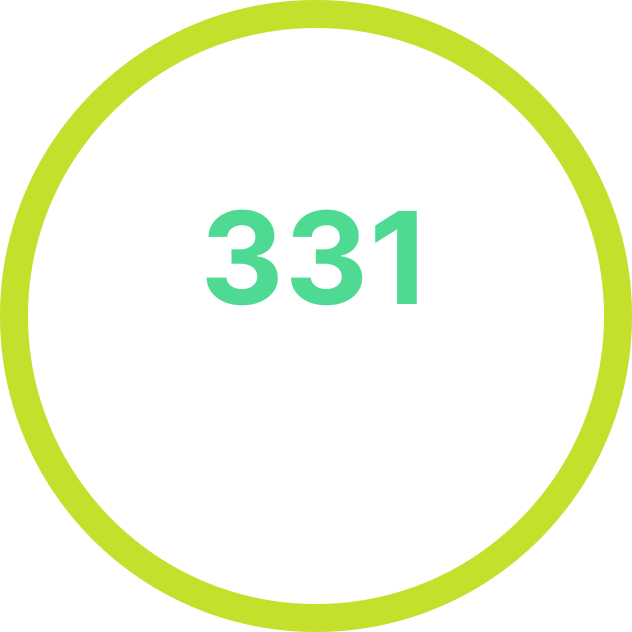
FIRST FULL YEAR
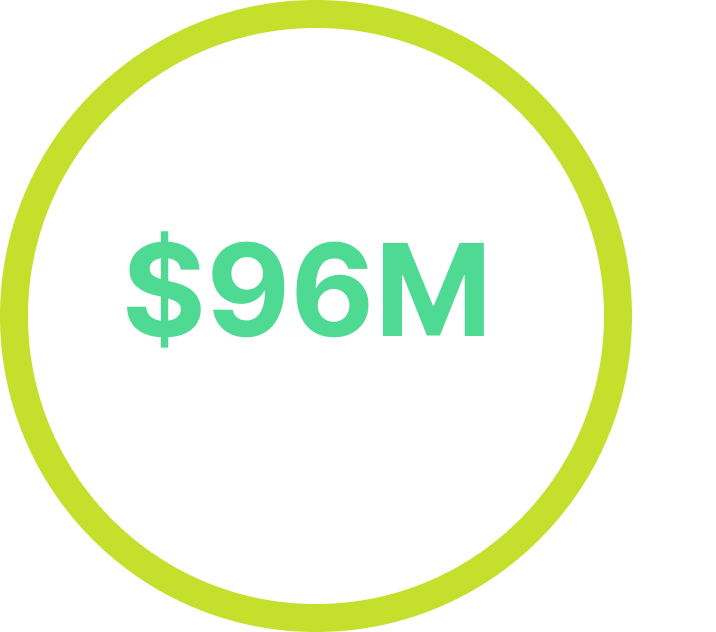
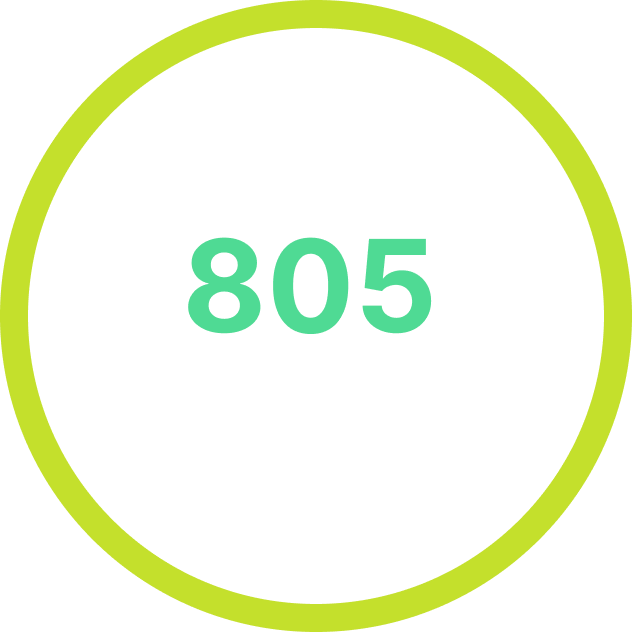
OVER 10 YEARS
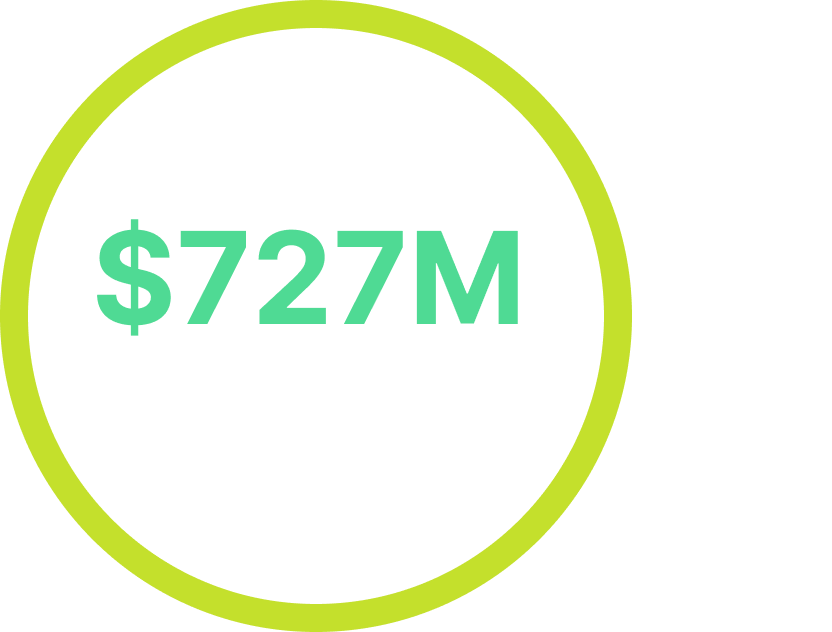
Source: HR&A Advisors economic and fiscal impact analysis, August 2026